At Infinity Vector, I contributed significantly to Midnight Street from early development, focusing on scalable systems and content delivery.
Key achievements:
-
Addressables & Remote Asset Delivery
Replaced heavy dependence on Unity’s Resources folder with a robust Addressables-based system, delivering the vast majority of assets via remote CDN bundles, which allowed us to deliver dynamic updates, reduced build sizes, and better scalability. -
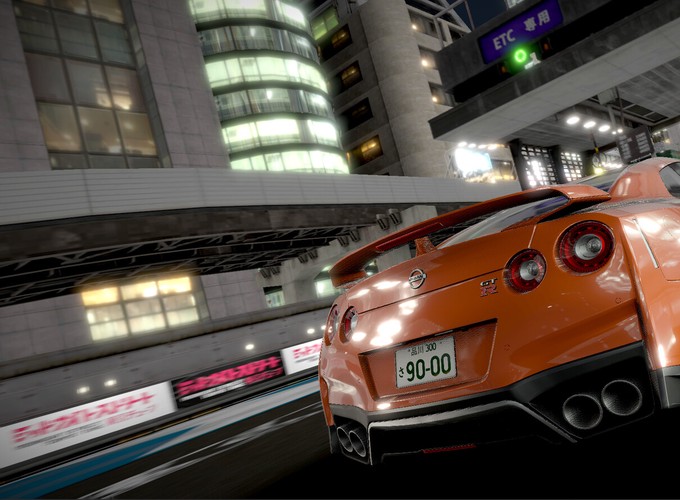
Dynamic License Plates
One of my earliest major contributions: I designed and implemented a fully randomizable (and later customizable) Japanese-style license plate system that looks authentic and visually striking during races.To achieve realism, I researched actual Japanese plate formats, including regional registration offices, vehicle class codes, hiragana prefixes, and variable digit counts with dot placeholders. The system generates plates using predefined data sets and assigns appropriate locations/classes based on story context (e.g., closest registration center to the race area).
For the visual effect, the player initially builds the plate in a UGUI-based menu for easy customization, and then the game will capture a screenshot of the plate to create diffuse + normal map textures (with help from a teammate’s shader) in order to apply the raised-lettering look in-game.
-
Scalable Dialogue System
Designed and implemented a flexible, data-driven dialogue system for story mode, supporting branching narratives and easy designer updates.Dialogue System Preview (YouTube, no audio) 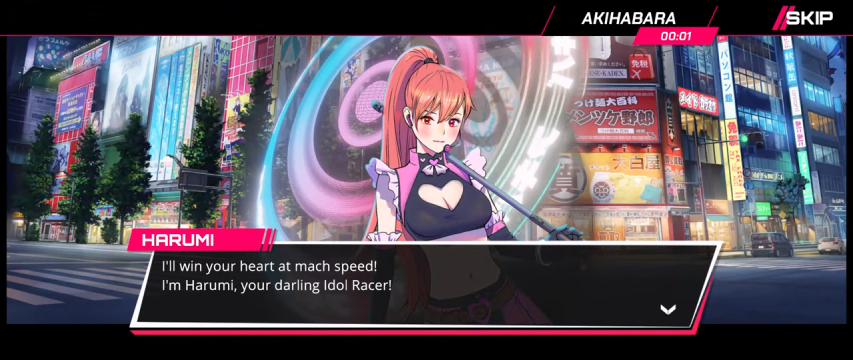
-
Results Screen & UI Polish
Built engaging post-race results screens and other UI elements to boost player retention and visual feedback.Results Screen Preview (YouTube) 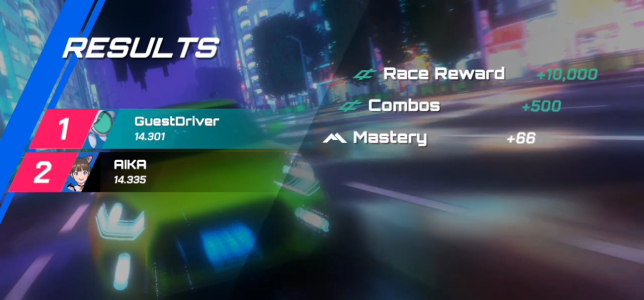
This project strengthened my expertise in live-service asset management, modular design, realistic detail work, and player-facing UI for mobile titles.